
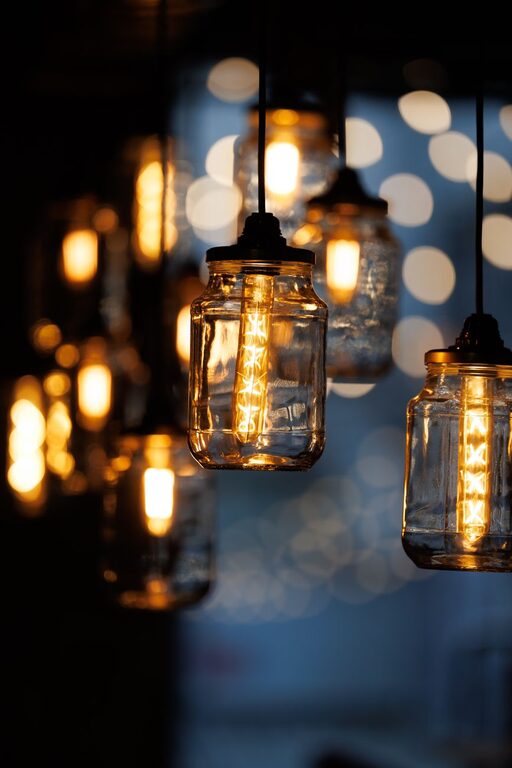
Creating a comfortable and inviting atmosphere in your home starts with the right lighting. Good lighting not only enhances the aesthetics of your space but also contributes to your mood and overall well-being. Choosing the ideal lighting can seem overwhelming with the wide range of bulbs, fixtures, and styles available, but with a few helpful tips, you can make informed decisions that suit your needs and preferences. This guide covers essential factors and practical advice for choosing comfortable home lighting.
Understand the Types of Lighting
Before selecting lighting fixtures or bulbs, it’s important to understand the three main types of lighting that work together to create a balanced environment:
– Ambient Lighting: The general illumination that fills a room, usually provided by ceiling fixtures like chandeliers, flush mounts, or recessed lights.
– Task Lighting: Focused lighting to help with specific activities such as reading, cooking, or working. Examples include desk lamps, under-cabinet lights, or pendant lights over kitchen islands.
– Accent Lighting: Used to highlight particular areas or decorative elements like artwork or architectural features, such as track lighting or wall sconces.
Combining these lighting types helps achieve both functionality and mood in your home.
Consider the Color Temperature
Color temperature, measured in Kelvins (K), describes the warmth or coolness of a light source. It greatly influences comfort:
– Warm Light (2700K–3000K): Offers a cozy, inviting feel ideal for living rooms, bedrooms, and dining areas.
– Neutral Light (3500K–4100K): Balance between warm and cool, good for kitchens, bathrooms, and workspaces.
– Cool Light (5000K–6500K): Mimics daylight, promotes alertness, and is better suited for task-oriented areas like home offices or garages.
Choosing the right color temperature depends on the room’s purpose and your personal preferences.
Pay Attention to Brightness and Lumens
Brightness is measured in lumens, not watts. Lumens indicate the amount of light a bulb produces, and picking the proper brightness is essential for comfort:
– Lower Lumens (200–450): Suitable for soft ambient lighting or accent lights.
– Medium Lumens (450–800): Great for general lighting in medium-sized rooms.
– Higher Lumens (800+): Best for task-oriented spots needing brighter illumination.
Avoid overly bright lights in relaxing spaces, as harsh lighting can cause eye strain and discomfort.
Choose Adjustable Lighting Options
Flexible lighting enhances comfort by allowing you to control brightness and direct light as needed:
– Dimmers: Installing dimmer switches lets you adjust light intensity for different times of day or activities.
– Adjustable Fixtures: Lamps with swiveling heads or adjustable arms help focus light exactly where you need it.
– Smart Lighting: Smart bulbs and systems offer remote control and preset scenes via smartphone apps or voice commands.
Adjustability helps create a versatile lighting environment that adapts to changing needs.
Opt for Quality Bulbs and Energy Efficiency
Investing in quality bulbs not only improves comfort but can also reduce energy costs and bulb replacement frequency:
– LED Bulbs: Highly energy-efficient, long-lasting, and available in various color temperatures and brightness levels.
– Avoid Flickering or Buzzing: These issues can cause discomfort and headaches. Choose bulbs and fixtures known for consistent performance.
– Look for Good Color Rendering Index (CRI): A CRI of 80 or higher means colors will appear more natural and vibrant under the light.
Energy-efficient and high-quality lighting is better for both your home atmosphere and the environment.
Match Lighting Style to Your Decor
Lighting fixtures are part of your home’s aesthetic. Choose lighting that complements your interior design for a cohesive look:
– Modern and Minimalist: Sleek fixtures with clean lines, recessed lighting, or metal finishes.
– Traditional: Classic chandeliers, ornate lamps, or warm brass accents.
– Rustic or Industrial: Fixtures with exposed bulbs, wood, or metal elements for a cozy feel.
Balancing style and function ensures your lighting feels both comfortable and visually pleasing.
Position Lights Thoughtfully
Where you place your lights affects the comfort and usability of a room:
– Avoid placing bright lights directly above seating areas to prevent glare.
– Use multiple light sources at different heights instead of relying on a single overhead fixture.
– Position task lights close to where activities occur, like reading lamps next to chairs or focused kitchen lighting.
Good light placement enhances comfort while reducing eye strain.
Prioritize Safety and Maintenance
Comfortable home lighting also means safe and hassle-free:
– Make sure all fixtures are rated for the wattage of the bulbs you plan to use.
– Use shatter-resistant bulbs in high-traffic or children’s areas.
– Regularly clean fixtures and replace bulbs promptly to maintain consistent lighting quality.
Simple maintenance helps keep your lighting comfortable and reliable over time.
—
Final Thoughts
Choosing comfortable home lighting involves more than picking pretty fixtures. By understanding lighting types, color temperature, brightness, and style, you can create a well-lit environment that supports your activities and enhances your home’s ambiance. Don’t forget to consider adjustable options and energy-efficient bulbs to maximize both comfort and practicality. With the right lighting, your home will be a brighter, more welcoming space for everyone.