
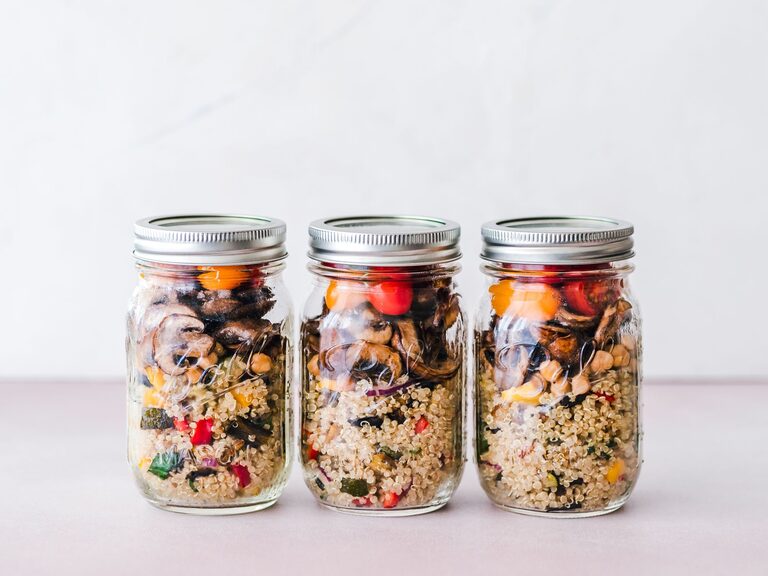
Meal prepping is a fantastic way to simplify your week, especially when busy schedules leave little time for cooking daily. By preparing meals ahead of time, you can save valuable hours, reduce stress, and enjoy healthier food options without the last-minute rush.
Whether you’re new to meal prep or looking to refresh your routine, these easy meal prep ideas will help you get started and keep things manageable throughout the week.
Why Meal Prep Helps During Busy Weeks
Meal prep involves planning, preparing, and sometimes cooking meals in advance. This approach offers several benefits:
– Saves time: Cooking once for multiple meals means you don’t need to start from scratch every day.
– Reduces stress: No more worrying about what to cook when you’re tired or pressed for time.
– Promotes healthy eating: Having prepared meals ready makes it easier to avoid fast food or unhealthy snacks.
– Controls portions and budget: Planning meals helps manage portions and grocery spending.
Getting Started with Basic Meal Prep
Before diving into complex recipes, it’s best to start simple. Here’s a quick guide to get you prepped:
1. Plan Your Meals
Spend 10 to 15 minutes deciding what you’d like to eat for the week. Focus on balanced meals with proteins, veggies, and carbs. Consider meals that store and reheat well.
2. Shop Smart
Make a grocery list based on your meal plan. Stick to it to avoid impulse buys. Choose versatile ingredients that can be used in multiple dishes.
3. Set Aside Prep Time
Reserve an hour or two during the weekend or your least busy day to do your meal prepping.
4. Use the Right Containers
Invest in good-quality airtight containers. Glass or BPA-free plastic containers with compartments can help keep food fresh and organized.
Easy Meal Prep Ideas for Busy Weeks
Here are some straightforward meal prep ideas that require minimal effort but deliver great taste and nutrition.
1. One-Pan Roasted Vegetables and Protein
Roasting vegetables with a protein source is easy and customizable.
– Ingredients: Mix of vegetables (broccoli, carrots, bell peppers), chicken breasts or tofu, olive oil, and seasoning.
– Method: Toss everything with oil and seasoning, spread on a baking sheet, and roast at 400°F for 25-30 minutes.
– Prep Tip: Portion into containers with a side of quinoa or rice for complete meals.
2. Mason Jar Salads
Layering salads in mason jars keeps ingredients fresh and ready to grab.
– Suggested Layers: Dressing (bottom), hard veggies (carrots, cucumbers), protein (beans, grilled chicken), leafy greens (spinach, kale).
– Serving: Shake the jar when ready to eat.
– Prep Tip: Make 3-5 jars at a time for easy lunches.
3. Slow Cooker or Instant Pot Meals
Using slow cookers or pressure cookers can save hands-on time.
– Examples: Chili, stew, shredded chicken, vegetable curry.
– Prep Tip: Prepare ingredients in the morning, set the cooker, and come home to a ready meal.
– Storage: Divide into meal-sized portions and refrigerate or freeze.
4. Grain Bowls
Grain bowls offer a balanced and customizable option.
– Base: Brown rice, quinoa, or couscous.
– Toppings: Roasted veggies, chickpeas or beans, avocado slices, a drizzle of dressing or sauce.
– Prep Tip: Cook grains and veggies ahead, store separately, and assemble bowls quickly when needed.
5. Breakfast Egg Muffins
Great for grabbing a protein-packed breakfast on busy mornings.
– Ingredients: Eggs, chopped veggies (spinach, tomatoes, peppers), cheese, cooked bacon or sausage (optional).
– Method: Whisk eggs and mix in ingredients, pour into muffin tins, bake at 350°F for 15-20 minutes.
– Storage: Keep refrigerated and reheat as needed.
Tips for Successful Meal Prep
To make meal prepping a sustainable habit, keep these tips in mind:
– Start small: Prep a few meals or snacks instead of trying to do everything at once.
– Mix and match: Use ingredients in different meals throughout the week to avoid boredom.
– Label containers: Include the date and contents for easy identification.
– Keep snacks ready: Chop fruits, veggies, or portion nuts for quick, healthy snacks.
– Stay flexible: Don’t stress if a meal plan changes—adjust as needed.
How to Reheat and Store Meal Prepped Food Safely
Proper storage and reheating are essential to enjoy your meals safely.
– Refrigerate meals within two hours of cooking.
– Consume refrigerated meals within 3-4 days.
– Freeze portions you won’t eat within a few days.
– When reheating, make sure food is hot all the way through.
– Avoid reheating food multiple times.
Conclusion
Meal prepping doesn’t have to be complicated or time-consuming. With these easy meal prep ideas and tips, you can make your busy weeks more manageable, reduce mealtime stress, and enjoy healthy, homemade meals every day. Give it a try and find the routine that works best for you!