
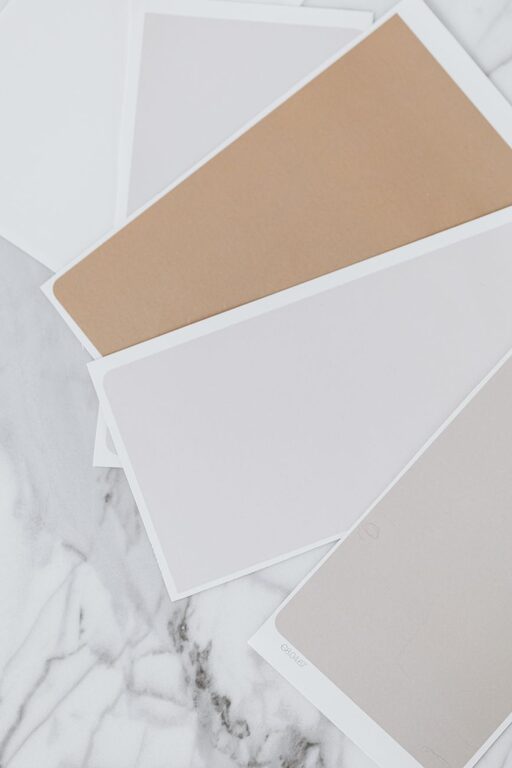
Creating a serene and relaxing environment in your home starts with the colors you choose. Calm colors can reduce stress, improve mood, and help you feel more comfortable in your living space. Whether you’re repainting a room or just adding some new accents, selecting the right calm colors is key to achieving the atmosphere you want. In this post, we’ll explore practical tips to help you choose tranquil hues for your home.
Why Choose Calm Colors?
Colors have a powerful effect on our emotions and energy. Warm, bright colors like red and orange can energize and stimulate, but they might feel overwhelming in spaces meant for rest. Calm colors, on the other hand, tend to be softer and cooler, promoting relaxation and a sense of balance. These colors are perfect for bedrooms, living rooms, or any space where you want to unwind.
Popular Calm Color Choices
Before diving into tips for choosing colors, let’s look at some popular calm color options:
– Soft blues: Often associated with the sky and water, soft blues create a peaceful and spacious feeling.
– Muted greens: Inspired by nature, muted greens bring a refreshing and calming vibe.
– Warm neutrals: Beige, taupe, and soft grays provide a cozy and gentle backdrop.
– Pale lavenders: Light purples can add a subtle touch of elegance and calm.
– Soft pinks: Dusty or pastel pinks feel warm and soothing without being overpowering.
Tips for Choosing Calm Colors for Your Home
1. Consider the Room’s Purpose
Start by thinking about how you use the room. Bedrooms and bathrooms benefit from cool, restful colors like pale blue or green, which encourage relaxation. Living rooms and family areas can use warm neutrals or soft pastels to promote comfort and conversation. For home offices, subtle greens or blues can improve focus without adding stress.
2. Test Colors in Different Lighting
Natural and artificial light can change how colors look on your walls. Test paint samples at different times of day and under various lighting conditions before making a final decision. A color that feels calming in the afternoon sun may look dull or cold in the evening.
3. Use Color Samples and Swatches
Apply paint samples directly to your walls or use large color swatches to get a better sense of how the color will affect the whole space. Observe how the color interacts with your furniture, flooring, and decor.
4. Combine Colors for Balance
Using a single color throughout a room can feel flat. Instead, try combining two or three calm colors that complement each other. For example, soft blue walls with warm beige accents, or muted green with pale gray trim. This layering adds depth while maintaining a soothing palette.
5. Choose Matte or Satin Finishes
The finish of your paint affects the overall mood. Matte and satin finishes reflect light softly and reduce glare, which helps maintain a calm atmosphere. Avoid high-gloss finishes in rooms meant for relaxation.
6. Incorporate Natural Elements
Colors inspired by nature tend to feel calm because they mimic outdoor environments. Consider bringing in natural woods, stone textures, or plants as part of your design. These elements can enhance your chosen color palette and add warmth.
7. Limit Bold or Vibrant Colors
While accents of brighter colors can add interest, too much bold color can disrupt the calm mood. Reserve vibrant hues for small accessories like pillows or artwork rather than large walls or furniture.
8. Personalize Your Palette
Your idea of calm may be different from others’. Choose colors that feel relaxing to you personally. If you love a particular shade, find a way to incorporate it in a subtle, calming way.
How to Use Calm Colors Beyond Paint
Calm colors can extend beyond walls into furniture, textiles, and decorations. Here are some ideas:
– Furniture: Choose sofas, chairs, or tables in soft, natural hues.
– Textiles: Use curtains, rugs, and throws in pastel or neutral tones.
– Artwork: Select prints or paintings with peaceful color schemes.
– Lighting: Opt for warm, diffused lighting to complement calm colors.
Final Thoughts
Selecting calm colors for your home is a wonderful way to create a peaceful retreat where you can relax and recharge. Remember to consider the room’s function, test colors in your space, and combine shades thoughtfully. With these tips, you can design a soothing environment that suits your taste and lifestyle.
Take your time exploring colors and enjoy the process of making your home a calm and inviting place.