
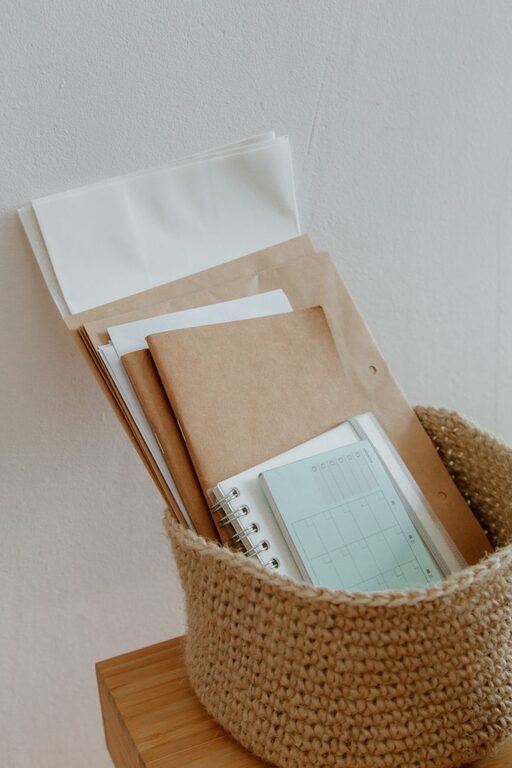
Paper clutter is a common challenge in many households. Bills, receipts, mail, school papers, manuals, and magazines can quickly pile up, creating a messy environment that’s stressful and hard to manage. The good news is that reducing paper clutter doesn’t have to be complicated or time-consuming. With a few simple strategies, you can regain control and keep your home neat and organized.
In this post, we’ll explore practical tips to help you reduce and manage household paper clutter effectively.
Why Reducing Paper Clutter Matters
Before diving into solutions, it helps to understand why cutting down paper clutter is beneficial:
– Creates a calmer environment: Clutter can increase stress and decrease productivity.
– Saves time: Less paper means easier access to important documents.
– Reduces waste: Digitizing and minimizing paper use is better for the environment.
– Improves organization: It’s easier to maintain an orderly home.
Ready to get started? Here are some simple ways to reduce household paper clutter.
1. Set Up a Paper Management System
Having a designated place for incoming paper helps prevent piles from forming. You might use:
– An inbox tray or folder near the entryway or kitchen.
– A labeled basket for mail, bills, and other documents.
– A small filing system with folders sorted by category (e.g., “To Pay,” “To File,” “Action Needed”).
Check this spot regularly—daily or every few days—to deal with papers promptly. This habit prevents accumulation and last-minute searching.
2. Go Digital Whenever Possible
Going paperless is one of the best ways to reduce clutter. Consider these steps:
– Opt for electronic bills and statements: Many companies offer online billing options.
– Scan important documents: Use a scanner or smartphone app to create digital copies.
– Store files securely: Use cloud storage or a dedicated folder on your computer.
– Use digital note-taking apps: Replace paper notebooks with apps or a tablet.
Remember to back up your digital files regularly and shred original documents that you don’t need to keep physically.
3. Regularly Declutter and Purge
Set aside time monthly or quarterly to review your paper piles and file. During this decluttering session:
– Shred outdated bills and statements.
– Recycle magazines after reading.
– Toss advertisements and junk mail.
– Organize school papers, choosing only meaningful ones to keep.
It’s helpful to have a shredder and recycling bin nearby for easy disposal.
4. Use a Mail Screening Routine
Junk mail can be a significant contributor to paper clutter. To minimize it:
– Sign up for services that help reduce junk mail.
– Unsubscribe from unwanted catalogs and newsletters.
– Open mail near a trash or recycle bin to immediately discard unwanted items.
– Consider a “no junk mail” sign on your mailbox where allowed.
Developing this habit helps reduce unnecessary paper from entering your home.
5. Create a Command Center
A family command center is a centralized spot for schedules, important papers, and reminders. It can include:
– A bulletin board or magnetic board.
– A wall calendar.
– File holders for ongoing paperwork.
– A spot for keys and phones.
This keeps important papers visible and organized, preventing piles on counters or tables.
6. Limit Printing and Paper Use
Be mindful about printing documents:
– Proofread on screen to avoid unnecessary prints.
– Use double-sided printing.
– Print only when essential.
Reducing the amount of paper you bring into your home helps control clutter at the source.
7. Store Keepsakes Thoughtfully
Kids’ artwork, cards, and sentimental papers can accumulate. To manage these:
– Select a few favorites and store them in a labeled box or portfolio.
– Photograph or digitize bulky or numerous items.
– Create photo books or digital albums to preserve memories without paper piles.
This way, you keep meaningful items without overwhelming storage.
8. Use Practical Organizers
Invest in simple organizers that suit your space and needs:
– Stackable trays.
– Accordion file folders.
– Clipboards or binders.
Choose organizers that encourage tidiness and are easy to maintain.
Final Thoughts
Reducing household paper clutter is a manageable goal with lasting benefits. By setting up simple systems, embracing digital options, and staying consistent with purging and sorting, you can enjoy a tidier, more peaceful home environment. Start small, be patient, and adapt these tips to fit your family’s lifestyle.
Remember, the key is to control paper before it takes over your space. With these strategies, clutter will be a thing of the past!